Cat and Dog Surgery in McKean, PA with Precise Care
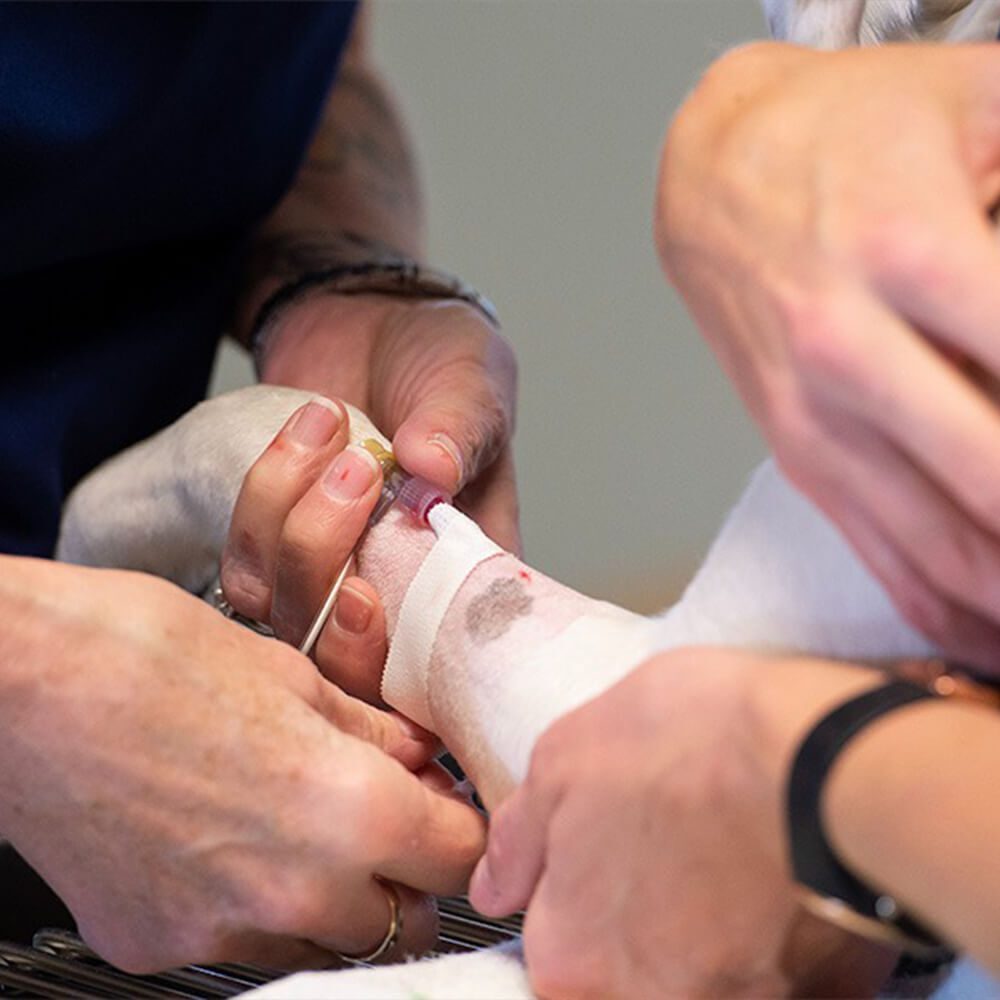
Hearing that your pet needs surgery can feel overwhelming. Questions about safety, recovery, and what to expect tend to come up quickly, and understandably so.
Cat and dog surgery isn’t just about the procedure itself. It’s about careful planning beforehand, close monitoring during, and thoughtful support afterward.
At McKean Veterinary Hospital, we approach cat and dog surgery with a focus on safety, precision, and clear communication. Our McKean veterinarians are skilled in performing an array of surgical procedures, and if we are unable to do the surgery ourselves, we will connect you with a trusted specialist.
If your pet has been recommended for a procedure, or you’re trying to understand your options, call (814) 476-7671. We’ll walk you through what it involves and what comes next.
Situations That May Require Surgery
Surgery may be recommended when a condition cannot be managed effectively with medication or monitoring alone.
Common reasons include:
Growths or masses that need removal or evaluation
Injuries affecting bones, joints, or soft tissue
Dental disease requiring extractions
Urinary issues such as bladder stones
Breed-related conditions that affect breathing or comfort
In many cases, surgery is recommended to improve quality of life, whether that means relieving pain, restoring function, or preventing a condition from worsening.
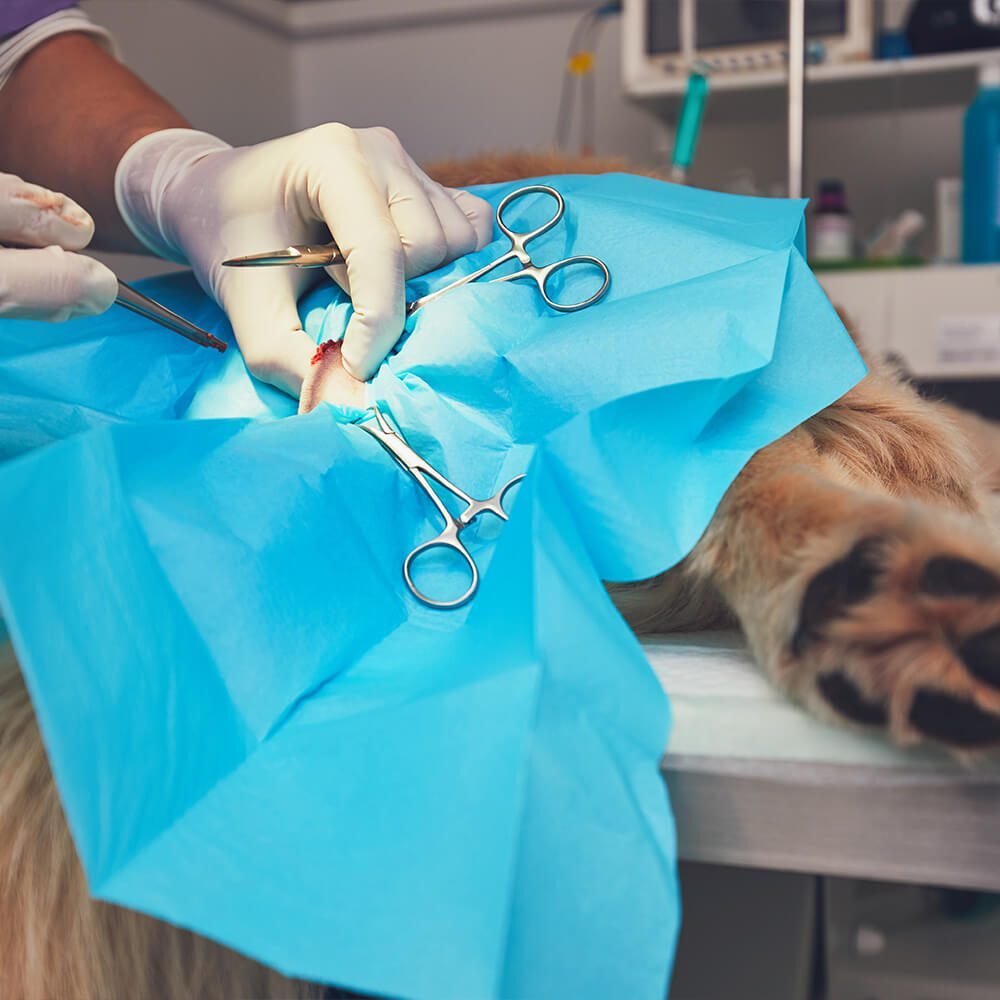
What Happens During Your Pet’s Surgery?
Every surgery follows a structured process designed to prioritize your pet’s safety and comfort.
This typically includes:
A pre-surgical exam to confirm your pet is stable for anesthesia
Use of modern anesthesia protocols tailored to your pet
Continuous monitoring of heart rate, breathing, and vital signs
Strict sterile technique to reduce the risk of infection
A dedicated recovery period with close observation
We take time to plan each step carefully, so the procedure itself, and the recovery afterward, go as smoothly as possible.
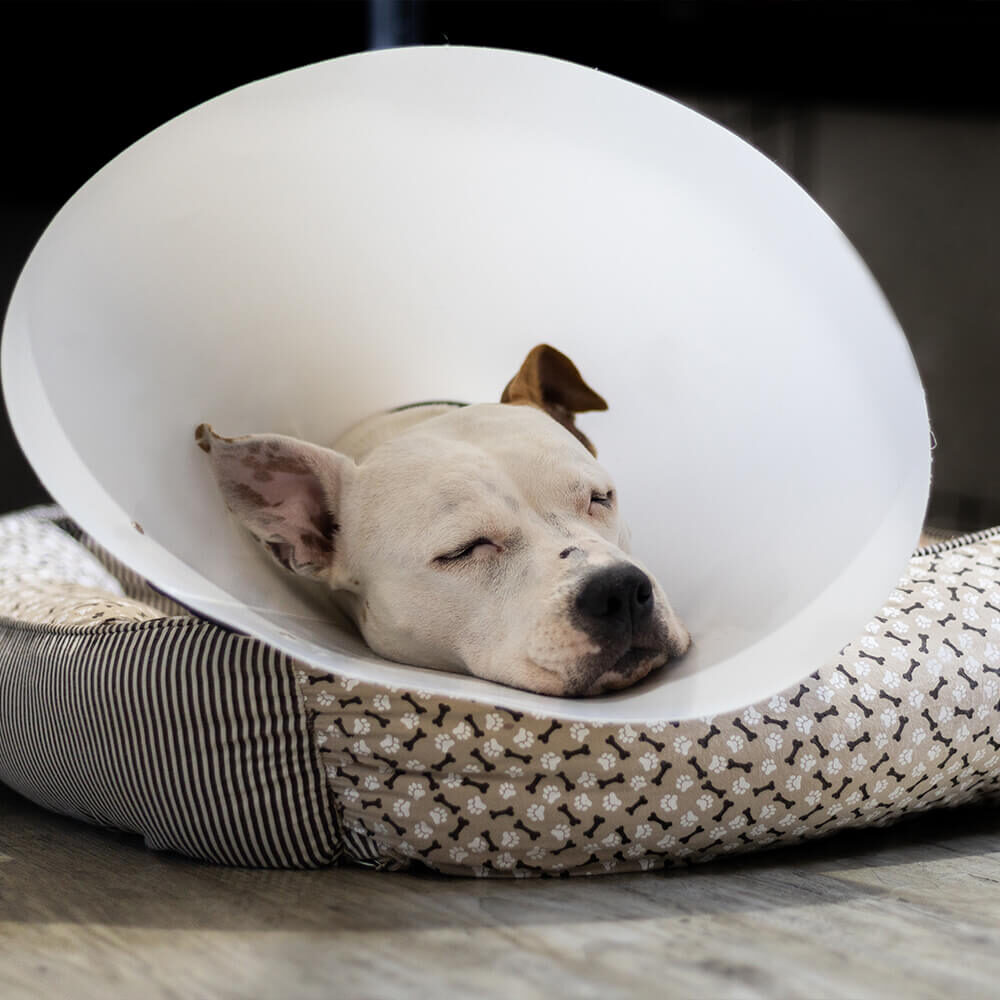
Surgical Procedures Designed Around Your Pet’s Needs
We provide a range of surgical services to address both routine and more advanced needs:
- Spaying and neutering
- Preventive gastropexy for large and giant breed dogs
- Growth removal and tissue biopsy
- Reconstructive procedures involving the face, eyes, skin, or nasal passages
- Treatment for brachycephalic airway syndrome (including nares and soft palate correction)
- Splinting for injuries
- Cruciate ligament repair and other joint-related procedures
- Tooth extractions for damaged or infected teeth
- Treatment for advanced dental disease and oral pain
- Bladder stone removal
- Pelvic urethrostomy and other urinary tract surgeries
Surgical Care You Can Feel Confident About
Surgery can feel like a big step, but it shouldn’t feel uncertain. At McKean Veterinary Hospital, we focus on giving you a clear understanding of what’s recommended, why it matters, and what to expect before and after the procedure. You’ll have the information you need to make decisions with confidence, and a team you can reach if questions come up along the way.
If your pet has been recommended for surgery or something doesn’t seem right, call us at (814) 476-7671 to talk through the next steps and schedule a surgery consultation.