
Cat and Dog Vaccinations in McKean, PA Built Around Real-Life Risk
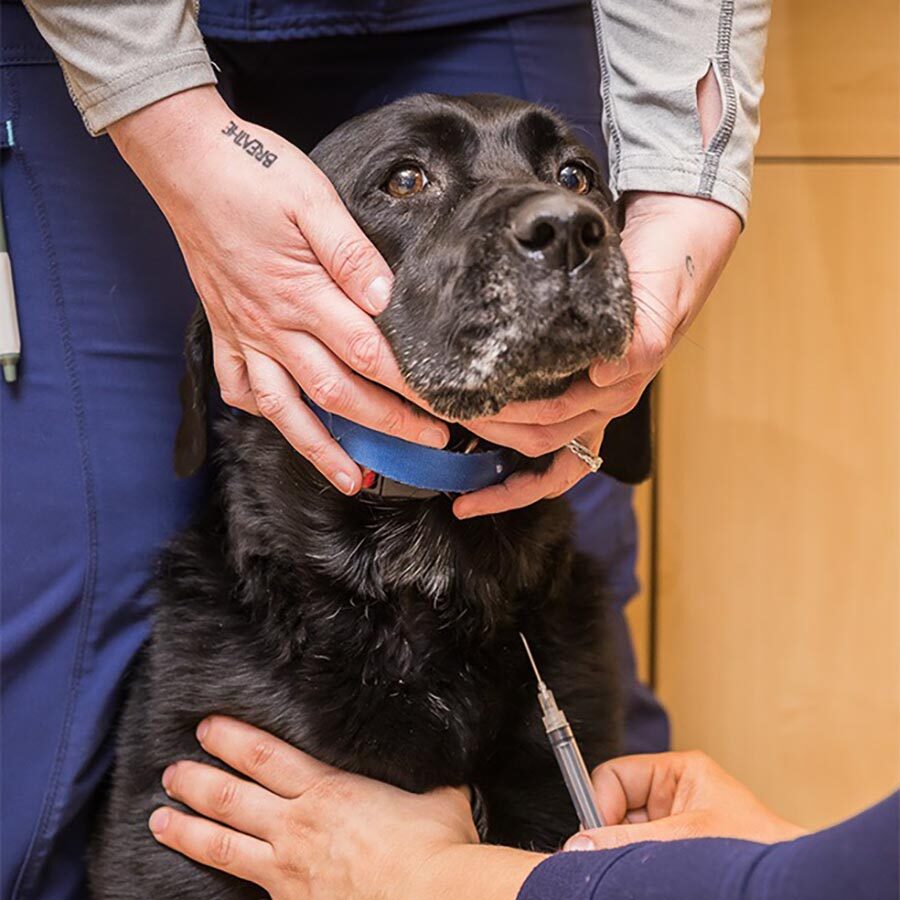
Some pets spend time at parks, boarding facilities, or around other animals. Others live quieter, mostly indoor lives. Those differences matter when it comes to protection, as our McKean veterinarians don’t view cat and dog vaccination as a cookie-cutter protocol.
At McKean Veterinary Hospital, we approach vaccinations by looking at your pet’s actual day-to-day life. Then we build a plan that fits, so you’re not overdoing it, underdoing it, or left wondering what’s really necessary.
If you’re unsure where your pet stands or what they need next, call us at (814) 476-7671. We’ll walk through it with you and make it clear.
How Vaccines Work (and Why Timing Matters More Than You Think)
Vaccines don’t just “cover” your pet. Instead, they train the immune system to respond before a disease becomes a real problem. However, that protection isn’t permanent. It fades over time, which is why boosters aren’t optional — they’re what keep the protection working.
The key is consistency, since:
- Skipping boosters can leave gaps in protection
- Getting them too late can mean starting over in some cases
- Staying on schedule keeps immunity steady
How We Decide Which Vaccines Your Pet Needs
Instead of applying the same plan to every pet, we look at risk.
For dogs, that might include:
- Time spent outdoors or in wooded areas
- Exposure to other dogs (boarding, grooming, parks)
- Travel or lifestyle changes
For cats, we consider:
- Indoor vs. outdoor access
- Exposure to other cats
- Household dynamics
From there, we recommend vaccines that match those risks to ensure they’re protected. Core vaccines are still important, but beyond that, decisions should be based on how your pet actually lives.
Core and Lifestyle-Based Vaccines
We offer cat and dog vaccinations based on current veterinary guidelines and your pet’s individual needs. Each vaccine protects against specific diseases — some common, some severe, and many easier to prevent than treat.
Common Dog Vaccines
Rabies
A fatal virus that affects the nervous system and can be transmitted to humans. Vaccination is required by law and essential for public safety.
DA2PP (Distemper, Adenovirus, Parvovirus, Parainfluenza)
A core combination vaccine that protects against several serious illnesses:
- Distemper: A widespread virus that affects the respiratory, gastrointestinal, and nervous systems
- Adenovirus: Can cause liver disease and respiratory infections
- Parvovirus: A highly contagious and potentially life-threatening gastrointestinal disease, especially in puppies
- Parainfluenza: A respiratory virus that contributes to kennel cough
Leptospirosis
A bacterial infection spread through contaminated water or soil. It can affect the kidneys and liver and can also be transmitted to people.
Bordetella (Kennel Cough)
A contagious respiratory infection that spreads easily in places where dogs gather, such as boarding facilities, grooming salons, or parks.
Lyme Disease
Transmitted by ticks, Lyme disease can lead to joint pain, fever, and long-term complications if untreated.
Common Cat Vaccines
Rabies
A required vaccine that protects against a fatal neurological disease that can also affect humans.
FVRCP (Rhinotracheitis, Calicivirus, Panleukopenia)
A core vaccine that protects against three common feline diseases:
- Rhinotracheitis: A viral respiratory infection that can cause sneezing, eye discharge, and chronic symptoms
- Calicivirus: Another upper respiratory virus that can lead to oral ulcers and respiratory issues
- Panleukopenia: A severe and often fatal disease that affects the immune system and gastrointestinal tract
FeLV (Feline Leukemia Virus)
A contagious virus that weakens the immune system and can lead to chronic illness or cancer, especially in cats that spend time outdoors or around other cats.
Starting Strong with Kitten and Puppy Shots
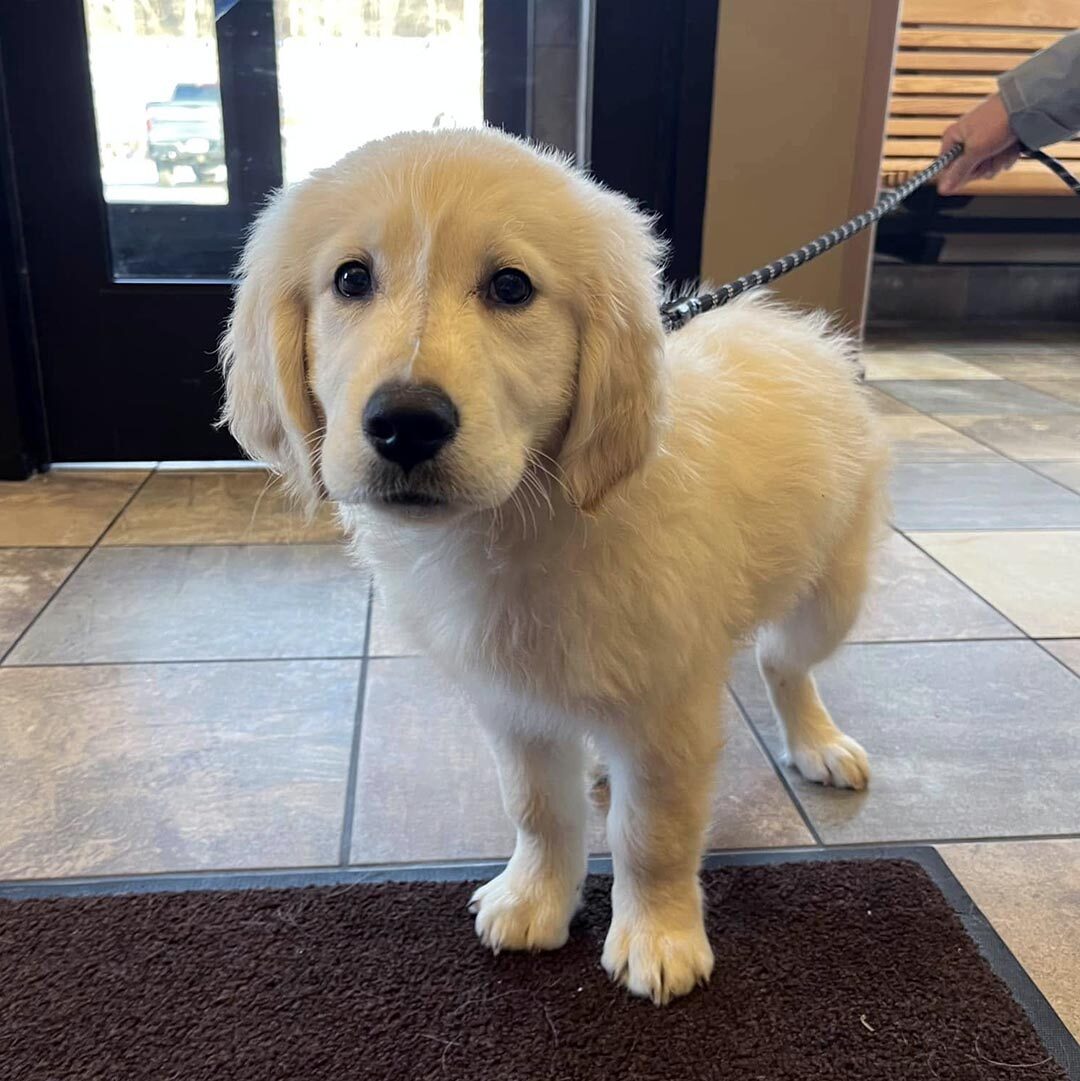
Young pets don’t start with full protection, but build it over time. That’s why puppies and kittens need a series of vaccines, spaced out carefully during their first months. Starting at 6-8 weeks, and continuing until they’re about 15-16 weeks old, each visit strengthens your pet’s immune response until they’re fully protected.
Missing part of that series or delaying visits can leave gaps during a stage when they’re most vulnerable. We help you stay on track so your pet gets the full benefit of early protection as maternal antibodies fade and their own immunity develops.
After Your Pet’s Vaccination Visit: What’s Normal (and What’s Not)
Most pets act like themselves within a day. However, you might notice your cat or dog acting sleepy or not as hungry as normal. They may also be a bit sore where the vaccine was given, but these changes are expected and short-lived.
If something feels off beyond that, like swelling, vomiting, or unusual behavior, call us. We’d rather talk it through early than have you guessing.
Care That’s Built Around Your Pet
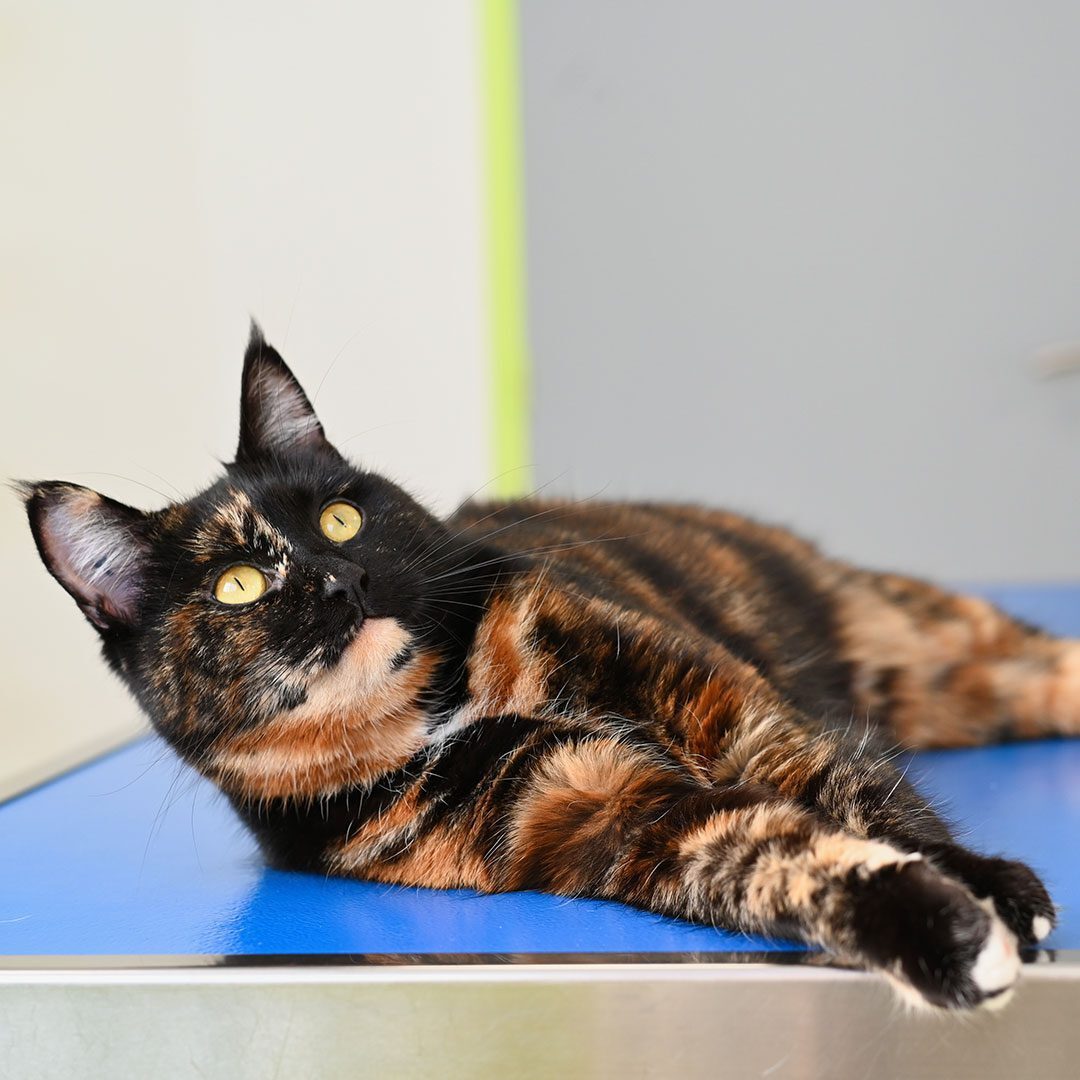
Vaccines are just one part of your pet’s overall care, but they’re an important one. At McKean Veterinary Hospital, we don’t treat them as a routine task to check off. We use each visit as a chance to look at the bigger picture — your pet’s health, lifestyle, and any changes you’ve noticed.
Call us today at (814) 476-7671 to schedule your pet’s vaccination visit. We’ll help you build a plan that fits your pet’s life.