
Veterinary Blog in McKean, PA
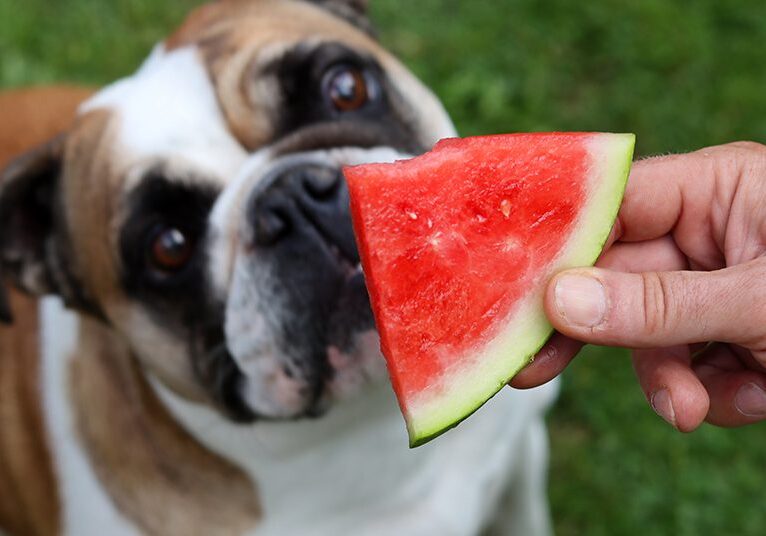
Can Dogs Eat Watermelon? Seeds, Rinds, and What to Avoid
Yes, dogs can eat watermelon in moderation, as long as you remove the seeds and rind and serve only the plain, ripe flesh. Watermelon is low in calories, packed with water, and offers vitamins that make it a refreshing occasional treat for most healthy dogs….

8 Common Causes of Cat Sneezing and How to Treat Them
Cat sneezing is most often caused by an upper respiratory infection or a simple nasal irritant like dust, but it can also stem from allergies, dental disease, foreign objects, or growths inside the nose. An occasional sneeze is normal and usually nothing to worry about….
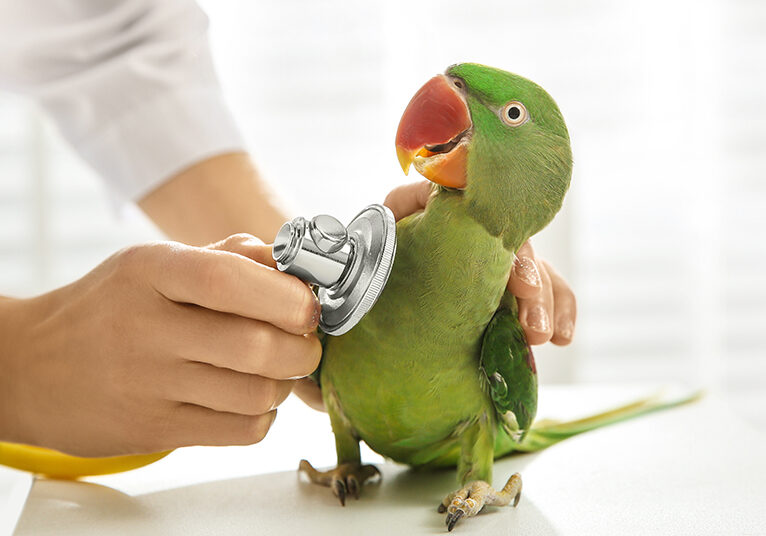
Beyond the Basics: Why Birds Need to See the Avian Vet for Wellness
Birds need regular wellness visits with an avian vet because they instinctively hide signs of illness until a problem is well advanced. Annual checkups give an avian vet the chance to catch subtle changes in weight, feathers, droppings, and behavior long before a bird looks…
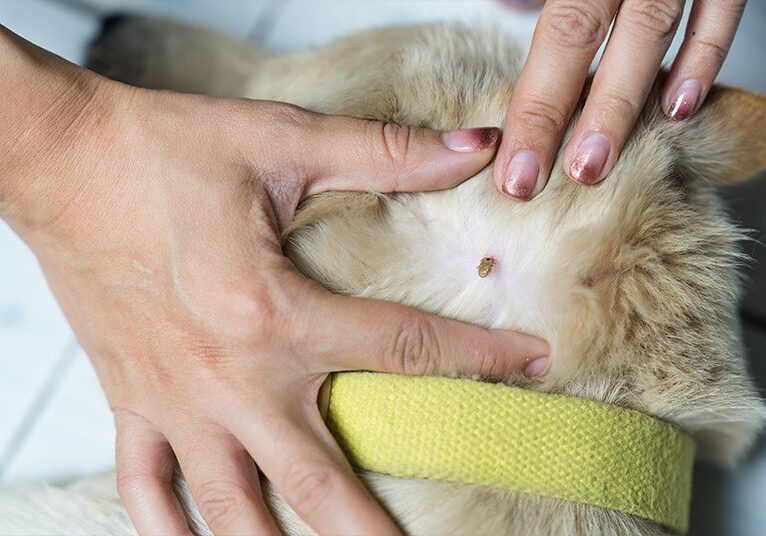
How to Remove a Tick From a Dog and Prevent Infection
To remove a tick from a dog, grasp the tick as close to the skin as possible with fine-tipped tweezers or a tick removal tool, then pull straight upward with slow, steady pressure. Prompt removal matters because the longer a tick stays attached, the greater…
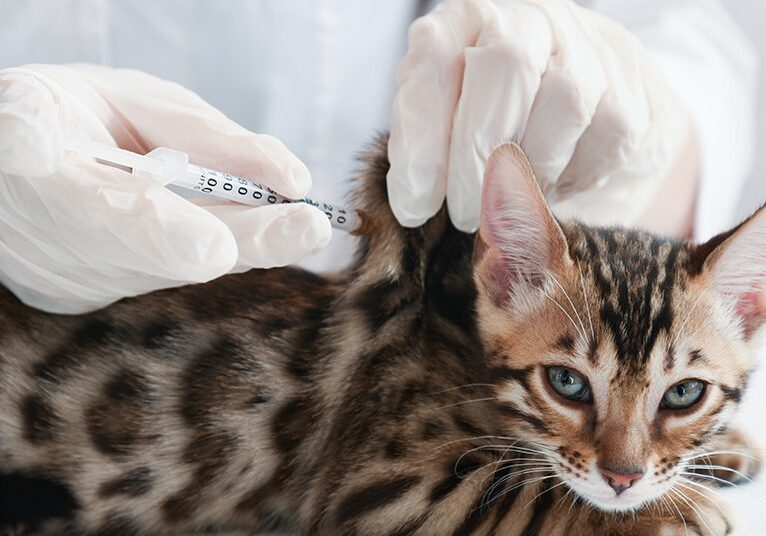
Essential Cat Vaccinations Schedule: Keeping Your Feline Friend Safe
A standard cat vaccinations schedule begins with kitten shots at 6 to 8 weeks of age, repeats every 3 to 4 weeks until about 16 to 20 weeks, and then moves to boosters every one to three years for adult cats. Sticking to that timeline…

The Ultimate Guide on How to Prevent Kennel Cough in Dogs
The most effective answer to how to prevent kennel cough in dogs combines vaccination against the main respiratory germs with smart choices about where and how your dog socializes. Vaccines for Bordetella, parainfluenza, adenovirus, and canine influenza lower the odds of infection and reduce how…

5 Tips for Getting Rid of Your Dog’s Bad Breath
Bad breath in dogs is one of the most common complaints pet owners bring up, and it’s more than just an unpleasant odor. If you’re wondering how to get rid of bad breath in dogs, consistent dental care combined with regular veterinary checkups is the…

Pale Gums in Dogs: When to Call the Vet
Pale gums in dogs are one of the clearest visible signs that something may be seriously wrong with your pet. Healthy dog gums should be a bubblegum pink color: moist, slick, and quick to return to pink after gentle pressure. If you notice your dog’s…

Is it Normal that My Cat Keeps Coughing Up Hairballs?
If you’ve ever heard the unmistakable retching sound of a cat coughing up a hairball, you know it can be a little alarming, even if you’ve heard it before. Are cat hairballs normal? Occasional hairballs are a common part of life with a cat, but…

When is the Right Time to Neuter a Dog?
One of the most common questions new dog owners ask is: when should I neuter my dog? The answer isn’t quite as simple as it used to be. While the traditional recommendation was to neuter dogs around six months of age, current veterinary research suggests…