
7 Symptoms of Cat Lethargy and How To Help Your Pet
A lethargic cat is one of the most concerning things a pet owner can encounter, and also one of the most common reasons for a veterinary visit. Cat lethargy symptoms range from subtle changes in activity level to serious signs that something may be medically wrong. If your cat seems unusually tired, disengaged, or less active than normal, it’s worth paying attention. This guide walks you through the key symptoms of cat lethargy, what causes them, and how to know when it’s time to call your vet.
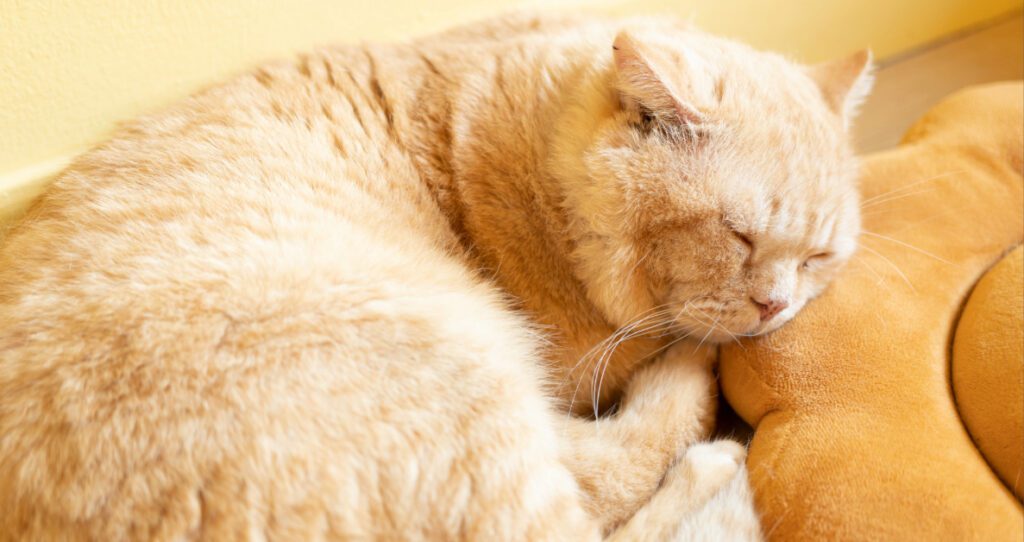
What Does Lethargy in Cats Actually Look Like?
Cats are known for sleeping a lot, anywhere from 12 to 16 hours a day is normal for an adult cat. So how do you distinguish normal cat sleeping behavior from genuine lethargy? The key is change. A lethargic cat isn’t just sleeping more than usual, it’s showing a noticeable decrease in energy, interest in play, appetite, or social engagement that represents a shift from that individual cat’s normal baseline.
Knowing your cat’s typical behavior is essential. Some cats are naturally more sedentary than others, and senior cats sleep more than kittens. The concern arises when your cat, who normally greets you at the door or chases toys with enthusiasm, suddenly seems uninterested in the world around them.
7 Common Cat Lethargy Symptoms
These are the most frequently observed signs of lethargy in cats. When multiple symptoms appear together, or when any of these persists for more than 24 to 48 hours, veterinary evaluation is warranted.
1. Decreased Activity and Reluctance to Move
One of the hallmark signs of a lethargic cat is reduced activity. Your cat may spend more time lying in one spot, move slowly or stiffly when they do get up, or decline to jump to their usual perches. Reluctance to move can also indicate pain, which may be an independent reason for decreased activity in cats.
2. Loss of Appetite or Reduced Food Intake
Cats that feel unwell often stop eating. A lethargic cat that is also not eating is a combination that should prompt a call to your veterinarian, as cats that go without food for more than 24 to 48 hours are at risk of developing hepatic lipidosis (fatty liver disease), which is a serious and potentially life-threatening condition.
3. Hiding or Withdrawal
Cats instinctively hide when they’re feeling sick or vulnerable. If your normally sociable cat has retreated to a closet, under the bed, or another out-of-the-way spot and isn’t coming out, this is a meaningful cat lethargy symptom. Withdrawal combined with other signs of illness is a reason to call your vet.
4. Changes in Grooming Habits
Most cats are fastidious groomers. A lethargic cat may stop grooming themselves, leading to a dull, matted, or unkempt coat. Alternatively, some cats over-groom when experiencing stress or discomfort. Either significant change in grooming behavior can signal that something is off.
5. Labored, Rapid, or Abnormal Breathing
Any change in your cat’s breathing pattern is a serious symptom that should not be ignored. Open-mouth breathing in cats, labored breathing, or breathing that appears faster than normal at rest can indicate heart disease, respiratory infection, fluid accumulation in the chest, or other serious conditions. A lethargic cat that is also breathing abnormally should be seen by your veterinarian immediately.
6. Vomiting or Diarrhea
Occasional vomiting is relatively common in cats, but vomiting that occurs multiple times in a day, is accompanied by blood, or happens alongside signs of lethargy in cats suggests something more significant is going on. The same is true for diarrhea, especially loose, watery, or bloody stools. Gastrointestinal disturbances that cause your cat to feel ill enough to become lethargic need professional assessment.
7. Changes in Litter Box Habits
A lethargic cat may also show changes in how often they urinate or defecate, the consistency or appearance of their stools or urine, or may stop using the litter box altogether. Straining to urinate, particularly in male cats is a medical emergency, as it can indicate a urinary blockage that is life-threatening without immediate treatment.
What Causes Lethargy in Cats?
Cat lethargy is a symptom, not a diagnosis. It can be caused by an enormous range of conditions, including:
- Infections such as bacterial, viral, or fungal
- Anemia or blood disorders
- Kidney disease or urinary tract conditions
- Heart or respiratory disease
- Diabetes, hyperthyroidism, or other endocrine disorders
- Gastrointestinal disease or obstruction
- Pain from injury, arthritis, or dental disease
- Toxin ingestion or medication reactions
- Cancer
Because lethargy in cats can point to such a wide variety of underlying causes, it’s important not to dismiss it as ‘just tiredness’, especially when it persists or is accompanied by other symptoms. Early veterinary evaluation can make a significant difference in outcomes.
When to Call Your Vet for a Lethargic Cat
As a general rule, any cat that has been noticeably lethargic for more than 24 hours should be seen by a veterinarian. Call McKean Veterinary Hospital at (814) 476-7671 or go directly to an emergency animal clinic if your lethargic cat is also:
- Not eating or drinking
- Showing difficulty breathing or breathing with the mouth open
- Straining to urinate or producing no urine at all
- Vomiting repeatedly or showing signs of pain
- Pale, white, gray, or yellow-tinged gums
What to Expect at Your Cat’s Appointment
When you bring a lethargic cat to McKean Veterinary Hospital in McKean, PA, our veterinary team will start with a thorough physical examination to assess your cat’s vital signs, body condition, and visible symptoms. From there, diagnostic testing, which may include blood work, urinalysis, imaging, or other tests, helps identify the underlying cause of the lethargy.
Treatment will depend on what’s found. Some causes of cat lethargy respond quickly to treatment, while others require longer-term management. The most important thing is to get your cat evaluated promptly so that a diagnosis can be made and care can begin.
Paying Attention Saves Lives
Cat lethargy symptoms are some of the most important clues your pet can give you that something isn’t right. Cats are stoic animals. They often mask illness until it becomes significant. By learning to recognize the signs of a lethargic cat and acting quickly when you notice changes, you become your pet’s most important health advocate.
If your cat seems off, even if you can’t quite put your finger on why, trust your instincts and call McKean Veterinary Hospital at (814) 476-7671 or use the online form to book an appointment. Our team is here to help you and your cat navigate any health concern, big or small.
Recent Posts
About Us
At McKean Veterinary Hospital in McKean, PA, we provide clear, practical veterinary care for routine visits, unexpected concerns, and every stage of your pet’s life. We take the time to listen, answer your questions, and help you understand your pet’s care options.