
Pale Gums in Dogs: When to Call the Vet
Pale gums in dogs are one of the clearest visible signs that something may be seriously wrong with your pet. Healthy dog gums should be a bubblegum pink color: moist, slick, and quick to return to pink after gentle pressure. If you notice your dog’s gums look pale, white, gray, or bluish, that’s a signal that your dog’s body may not be getting enough oxygen or blood flow, and it warrants prompt veterinary attention. Keep reading to understand what pale gums in dogs mean, what causes them, and when you need to call your vet right away.
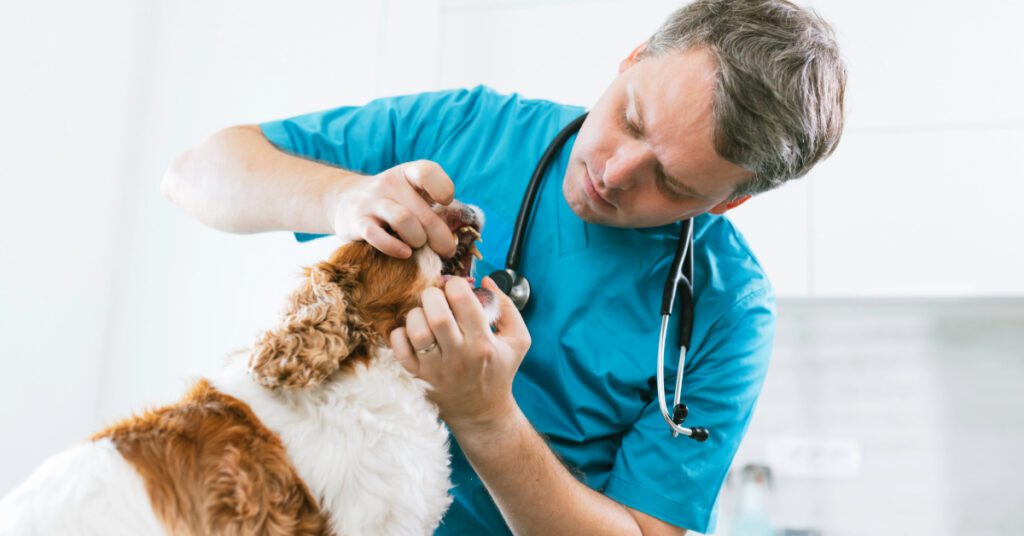
What Do Healthy Dog Gums Look Like?
Before you can recognize pale gums in dogs, you need to know what normal looks like. A healthy dog’s gums should be:
- Bubble-gum pink in color
- Moist and slippery to the touch
- Quick to return to pink within 1–2 seconds after you press and release (this is called the capillary refill time, or CRT)
Get in the habit of checking your dog’s gums regularly, perhaps once a month, so you’ll immediately recognize any change. Pale gums in dogs are much easier to spot when you already know what your pet’s normal baseline looks like.
What Causes Pale Gums in Dogs?
Pale gums in dogs can result from a wide range of conditions, some of which are life-threatening emergencies.
Anemia
When red blood cell counts drop, whether due to blood loss, destruction of red blood cells, or failure to produce them, the gums lose their characteristic pink color. Anemia itself can stem from many underlying causes, including parasites, certain medications, autoimmune conditions, or chronic disease.
Internal Bleeding
Internal bleeding is a serious cause of pale gums in dogs and can happen after trauma, ingestion of rodenticides or other toxins, or rupture of an internal organ or tumor. A dog with internal bleeding may appear suddenly weak, have a distended abdomen, and lose consciousness. This is an emergency. If you suspect internal bleeding, go to a veterinary emergency clinic immediately.
Shock
Shock occurs when the body’s circulatory system fails to deliver adequate oxygen to vital organs. Pale or white gums in dogs in shock may also feel cold or tacky rather than moist. Other signs of shock include rapid breathing, a racing heart rate, weakness, and collapse. Shock is a life-threatening emergency requiring immediate veterinary care.
Heart Disease
Heart disease or failure can impair circulation and result in pale, bluish, or gray gums in dogs. This may be accompanied by exercise intolerance, coughing, labored breathing, or fainting. If your dog’s gums appear bluish or lavender in color, this can indicate cyanosis, a sign that oxygen levels are critically low.
Severe Dehydration or Low Blood Pressure
Severe dehydration or hypotension (low blood pressure) can reduce perfusion to the gums and cause them to appear pale. In addition to pale gums in dogs, you may notice sunken eyes, dry mouth, skin that doesn’t spring back when gently pinched, or extreme lethargy.
When to Call the Vet for Pale Gums in Dogs
Pale gums in dogs should always be taken seriously. Here’s a general guide to help you determine the urgency:
- Pale pink or slightly lighter than normal: Schedule an appointment promptly, within 24 hours if possible
- White, gray, or bluish gums: This is an emergency. Call your vet or an emergency animal hospital immediately
- Pale gums combined with weakness, collapse, labored breathing, or vomiting: Do not wait. Seek emergency veterinary care right now
If you’re ever unsure whether your dog’s gums look too pale, err on the side of caution. A quick phone call to McKean Veterinary Hospital at (814) 476-7671 can help you assess the urgency and get appropriate guidance.
How Pale Gums in Dogs Are Diagnosed
When you bring a dog with pale gums to the veterinary clinic, your vet will act quickly to assess the underlying cause. Diagnosis typically involves:
Physical Examination
Your vet will check your dog’s heart rate, respiratory rate, temperature, blood pressure, and capillary refill time. They’ll examine the gums carefully, noting the specific color such as pale pink, white, gray, yellow, or blue, as each shade can point to different conditions. Yellow or jaundiced gums, for example, can signal liver disease or red blood cell destruction (hemolytic anemia).
Diagnostic Testing
Depending on findings from the physical exam, your vet may recommend blood work to check red blood cell count and overall organ function, a urinalysis, chest or abdominal X-rays, or an abdominal ultrasound. These tests help pinpoint the cause of the pale gums in dogs and guide the treatment plan.
Treatment of Pale Gums in Dogs
Treatment for pale gums in dogs depends entirely on the underlying cause. It may include:
- IV fluids to address dehydration or shock
- Blood transfusion in cases of severe anemia or blood loss
- Emergency surgery to address internal bleeding or organ rupture
- Medications to support heart function or treat infection
- Hospitalization and monitoring for dogs in critical condition
The faster the cause is identified and treated, the better the prognosis. This is why pale gums in dogs, especially white or bluish gums, should never be a ‘wait and see’ situation.
Checking Your Dog’s Gums: A Skill Worth Practicing
The best time to learn what your dog’s gums look like is right now, while they’re healthy. Lift your dog’s upper lip and look at the gums just above the teeth. Press gently with your finger, release, and note how quickly the color returns. If you’re not sure what you’re seeing, ask our team at McKean Veterinary Hospital to show you at your next appointment.
Pale gums in dogs can develop slowly or come on suddenly. The more familiar you are with your dog’s normal gum color, the faster you’ll notice when something is off. At McKean Veterinary Hospital in McKean, PA, our veterinary team is here to help you stay informed and prepared. Call us at (814) 476-7671 or use the online form to book an appointment.
Recent Posts
About Us
At McKean Veterinary Hospital in McKean, PA, we provide clear, practical veterinary care for routine visits, unexpected concerns, and every stage of your pet’s life. We take the time to listen, answer your questions, and help you understand your pet’s care options.