
Why is My Dog Eating Grass?
If you’ve ever caught your dog grazing in the backyard like a small, four-legged cow, you’re probably wondering: why is my dog eating grass? Dogs eating grass is one of the most common canine behaviors that puzzles pet owners, and while it often has a benign explanation, it’s worth understanding the reasons behind it and knowing when it might signal a health concern. The short answer: most dogs eat grass occasionally, and in most cases it’s not dangerous. But the reasons why are more interesting than you might expect.
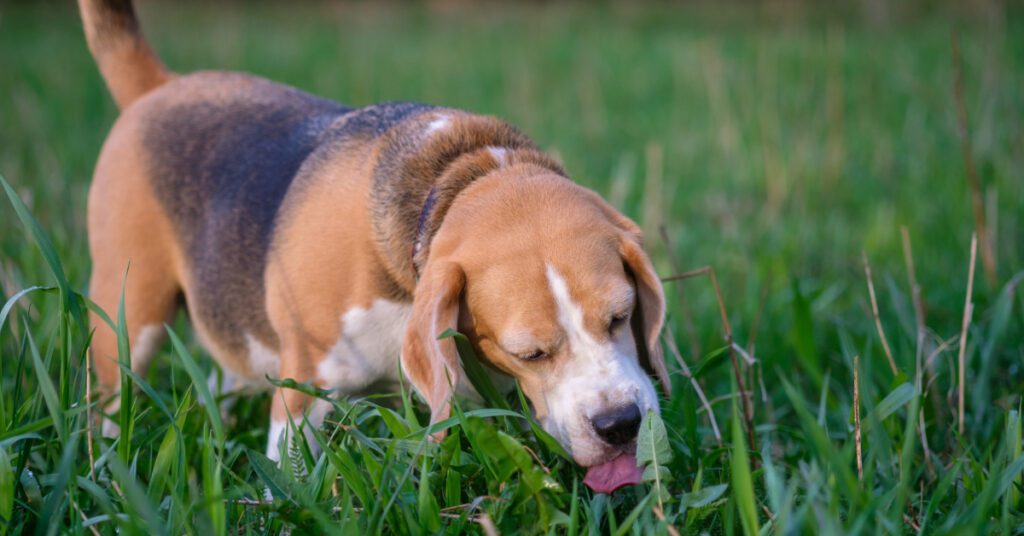
Is It Normal for Dogs to Eat Grass?
Yes, dogs eating grass is a normal, frequently observed behavior. Studies suggest that the majority of dogs engage in grass eating at some point, and most of them show no signs of illness before or after. Grass eating has been recorded even in wild canids like wolves and coyotes, which suggests that this behavior has deep evolutionary roots.
That said, just because it’s common doesn’t mean every instance of a dog eating grass is harmless. Context matters, including how often your dog does it, whether it’s followed by vomiting, and whether any other symptoms are present.
Why Do Dogs Eat Grass?
There are several theories about why dogs eat grass, and the honest answer is that no single explanation covers every case. It’s likely that different dogs eat grass for different reasons.
Instinct and Natural Diet
One leading theory is that dogs eat grass out of instinct. In the wild, canines consume the stomach contents of prey animals, which often include grass and plant matter. Grass may simply be a natural part of how dogs interact with their environment, particularly in younger, more exploratory animals. Some researchers believe dogs may eat grass to fulfill a nutritional need for fiber or micronutrients that their current diet is missing. If a dog is eating grass frequently, it may be worth reviewing their diet with your veterinarian.
Boredom or Behavioral Reasons
Dogs eating grass can sometimes be a sign of boredom, anxiety, or simply the enjoyment of texture and taste. Dogs that are under-stimulated, meaning they’re not getting enough exercise, mental engagement, or interaction, may turn to grass eating as a way to pass the time or self-soothe. If your dog only eats grass when left alone in the yard for long stretches, behavioral factors may be at play.
Stomach Upset
The most widely held popular belief is that dogs eat grass to make themselves vomit when they have an upset stomach. While this does seem to be the case for some dogs, those that eat grass quickly and deliberately before vomiting, research indicates that less than 25 percent of dogs actually vomit after eating grass. Most grass-eating appears to occur in dogs that are showing no signs of illness at all, which suggests that self-medicating with grass is not the primary reason for the behavior.
When Should I Be Concerned About My Dog Eating Grass?
Most of the time, a dog eating grass is nothing to worry about. But there are situations where grass eating signals something that needs veterinary attention.
Contact your veterinarian if:
- Your dog is eating grass obsessively or in very large amounts
- Grass eating is always followed by vomiting
- Your dog seems uncomfortable, lethargic, or unwell before or after eating grass
- You have recently treated your lawn with herbicides, pesticides, or fertilizers
- You notice blood in your dog’s stool or vomit
Persistent or excessive grass eating can occasionally point to gastrointestinal disease, nutritional deficiencies, or conditions like gastric reflux. Our team at McKean Veterinary Hospital can help identify whether your dog’s grass-eating habit is benign or a symptom worth investigating.
Is Grass Safe for Dogs to Eat?
Plain, untreated grass is generally considered safe for dogs in small amounts. The real risks come from what’s on or near the grass rather than the grass itself. Lawn chemicals including fertilizers, pesticides, and herbicides can be toxic to dogs, and some ornamental plants that may be mixed in with grass are also poisonous to pets.
Before letting your dog graze freely:
- Confirm that your lawn has not been recently treated with any chemicals
- Be aware of any plants, shrubs, or weeds growing in the area
- Check that neighboring lawns (which your dog may access) have not been recently sprayed
If you have any doubt about what your dog may have ingested along with the grass, contact McKean Veterinary Hospital or an animal poison control hotline for guidance.
How to Manage Your Dog’s Grass Eating
If your dog’s grass eating is a minor, occasional habit with no other symptoms, management is usually straightforward. Providing adequate exercise, mental enrichment, and a high-quality, nutritionally balanced diet can all reduce the likelihood of boredom-related or diet-driven grass eating. Making sure your dog always has access to fresh water is also helpful, as dogs sometimes graze when they’re mildly dehydrated.
If you’re concerned that your dog’s diet may be missing something, ask our veterinary team at McKean Veterinary Hospital about a nutritional evaluation. Sometimes a simple dietary adjustment can dramatically reduce a dog’s interest in eating grass.
Your Dog’s Grass Habit and What It Tells You
A dog eating grass every now and then is one of the great canine quirks that most owners come to accept as simply part of life with a dog. Understanding the reasons behind the behavior and knowing when to take it seriously is what matters most.
At McKean Veterinary Hospital in McKean, PA, we’re happy to talk through any behavioral or dietary concerns you have about your dog. If the grass eating has become frequent, excessive, or is occurring alongside other symptoms, give us a call at (814) 476-7671 or use the online form to book an appointment. A quick conversation with our team can give you the clarity and peace of mind you need.
Recent Posts
About Us
At McKean Veterinary Hospital in McKean, PA, we provide clear, practical veterinary care for routine visits, unexpected concerns, and every stage of your pet’s life. We take the time to listen, answer your questions, and help you understand your pet’s care options.