
Essential Cat Vaccinations Schedule: Keeping Your Feline Friend Safe
A standard cat vaccinations schedule begins with kitten shots at 6 to 8 weeks of age, repeats every 3 to 4 weeks until about 16 to 20 weeks, and then moves to boosters every one to three years for adult cats. Sticking to that timeline protects your cat from contagious and often fatal diseases such as feline panleukopenia and rabies. Whether you just brought home a tiny kitten or share your couch with a seasoned senior, knowing which vaccines your cat needs and when they’re due takes the guesswork out of preventive care. At McKean Veterinary Hospital in McKean, PA, our team builds a vaccine plan around each cat’s age, health history, and lifestyle, so indoor homebodies and adventurous outdoor explorers both get the right level of protection. Below, we walk through why vaccines matter, which ones cats receive, how a typical cat vaccinations schedule unfolds, what vaccines cost, and what to expect after an appointment.
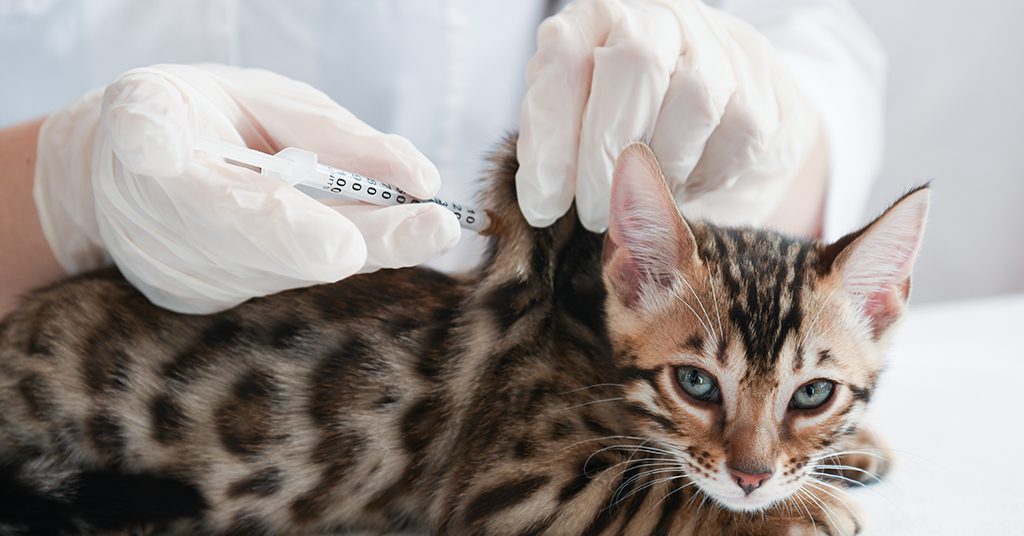
Why Do Cats Need to Be Vaccinated?
Vaccines train your cat’s immune system to recognize and fight specific diseases before a real infection ever takes hold.
When a vaccinated cat encounters a virus like panleukopenia or calicivirus, the body already knows how to respond. That head start often means the difference between no illness at all, a mild case, or a life-threatening emergency. Many of the diseases that vaccines target spread easily and have no cure, so prevention remains the most reliable form of protection available.
Indoor Cats Still Face Exposure
It’s a common misconception that indoor cats don’t need vaccines. In reality, several feline viruses survive for long periods on surfaces, clothing, and shoes, which means you can carry them through the front door without realizing it. Panleukopenia, for example, can persist in the environment for months. Indoor cats also slip outside, visit boarding facilities, see the groomer, or meet a new feline housemate. Even a bat that finds its way into an attic can bring rabies risk into a home that otherwise feels completely safe. That’s why veterinarians recommend a cat vaccinations schedule for indoor and outdoor cats alike.
Rabies Vaccination Is the Law in Pennsylvania
Beyond your own cat’s health, vaccination protects your family and community. Pennsylvania law requires cats 3 months of age and older to be vaccinated against rabies, and that rule applies to indoor cats too. Rabies remains present in local wildlife across northwestern Pennsylvania, including raccoons, skunks, foxes, and bats. Because the disease is fatal and transmissible to people, staying current on a rabies vaccine is one of the most important steps any cat owner can take. Following a consistent cat vaccinations schedule keeps you compliant with state law and gives you peace of mind if your cat ever bites someone or tangles with a wild animal.
What Vaccines Do Cats Need?
Veterinarians divide feline vaccines into two groups: core vaccines that every cat should receive and non-core vaccines recommended based on lifestyle and risk.
Core Vaccines for Every Cat
Core vaccines protect against widespread, serious diseases that pose a threat to cats no matter where or how they live. Every cat vaccinations schedule is built around these essentials:
- FVRCP: A combination vaccine that guards against feline viral rhinotracheitis (feline herpesvirus), calicivirus, and panleukopenia (feline distemper). Herpesvirus and calicivirus cause severe upper respiratory infections, while panleukopenia attacks the digestive tract and immune system and is often fatal in kittens.
- Rabies: Required by Pennsylvania law and protects against a virus that is nearly always fatal once symptoms appear.
- FeLV for kittens: Feline leukemia virus spreads through close contact like mutual grooming and shared food bowls. Major veterinary organizations recommend the FeLV series for all kittens because their future lifestyle is still uncertain and young cats are most vulnerable.
Lifestyle (Non-Core) Vaccines
Non-core vaccines fill specific gaps based on how your cat spends its days. Adult cats who go outdoors, live in multi-cat households, or have contact with cats of unknown health status often continue receiving FeLV boosters. Cats who board frequently or live in shelter or breeding environments may benefit from vaccines for Bordetella bronchiseptica or Chlamydia felis, both of which contribute to respiratory illness. A strictly indoor adult cat with no feline visitors may not need any of these. Your veterinarian will ask about your cat’s routine during each exam and recommend only what makes sense, rather than handing you a one-size-fits-all cat vaccinations schedule.
What Does a Typical Cat Vaccinations Schedule Look Like?
Timing matters just as much as the vaccines themselves, because a kitten’s immune system needs a series of doses to build strong, lasting protection.
Kittens receive antibodies from their mother’s milk, and those maternal antibodies can block a vaccine from working. Since no one can predict exactly when those antibodies fade, veterinarians give vaccines in a series spaced a few weeks apart. That approach ensures at least one dose lands after the maternal protection wears off. Skipping or delaying doses can leave a gap in immunity at the age when kittens are most at risk.
Kitten Vaccination Timeline
While every cat’s plan is individualized, a common kitten cat vaccinations schedule follows this general pattern:
- 6 to 8 weeks: First FVRCP vaccine, along with an initial wellness exam and parasite screening.
- 10 to 12 weeks: Second FVRCP dose and the first FeLV vaccine, usually after a FeLV/FIV blood test.
- 12 to 16 weeks: Rabies vaccine, a third FVRCP dose, and the second FeLV dose.
- 16 to 20 weeks: Final FVRCP dose, since current guidelines recommend continuing the series until at least 16 weeks of age.
Adult and Senior Cat Boosters
About one year after completing the kitten series, cats receive boosters for FVRCP, rabies, and FeLV when appropriate. After that, the adult cat vaccinations schedule becomes more spread out. FVRCP is typically given every three years. Rabies boosters occur every one or three years depending on the specific vaccine product used. FeLV boosters continue annually or every two to three years for at-risk cats. If you adopted an adult cat with an unknown history, your veterinarian will usually start with a two-dose series to establish protection. Senior cats still need vaccines, although your veterinarian may adjust timing based on chronic health conditions.
How Much Do Cat Vaccines Cost?
The cost of cat vaccines depends on your cat’s age, the specific vaccines recommended, and whether the visit includes an exam or diagnostic testing.
Across the United States, individual feline vaccines commonly range from roughly $20 to $60 each, while a full kitten series with exams and testing often totals a few hundred dollars spread over several visits. Adult cats following a three-year cat vaccinations schedule generally cost less per year, since not every vaccine comes due at every annual visit. These figures are broad national estimates, and local pricing varies.
What Influences the Price
Several factors shape the total cost of a vaccine appointment, including where your cat currently falls on its cat vaccinations schedule. A physical exam is an important part of every visit because your veterinarian needs to confirm your cat is healthy enough to receive vaccines safely. Kittens and newly adopted cats typically need a FeLV/FIV test before starting the FeLV vaccine. The type of rabies vaccine also plays a role, since three-year products may cost more upfront but reduce how often your cat needs that booster. Some practices bundle vaccines with deworming, fecal tests, or microchipping for new kittens.
Why Vaccines Are a Smart Investment
Preventing disease costs far less than treating it. A single hospitalization for panleukopenia or a severe respiratory infection can run into thousands of dollars, and outcomes are never guaranteed. For accurate, current pricing on cat vaccinations at McKean Veterinary Hospital, call our team at (814) 476-7671 and we’ll walk you through what your cat needs and what to expect.
What Side Effects Can Cat Vaccines Cause?
Most cats handle vaccines extremely well, and any reactions that do occur tend to be mild and short-lived.
A vaccine works by stimulating the immune system, so it’s normal for some cats to feel a bit off for a day or so afterward. Knowing what’s typical and what isn’t helps you respond calmly and contact your veterinarian when needed.
Common, Mild Reactions
After an appointment, you might notice your cat sleeping more than usual, eating a little less, or acting slightly withdrawn. A low-grade fever, mild tenderness where the injection was given, or a small, firm bump under the skin at the vaccine site can also appear. Cats who receive an intranasal vaccine may sneeze for a few days. These responses generally resolve on their own within 24 to 48 hours. A bump that persists beyond a few weeks, grows, or measures larger than about two centimeters deserves a recheck with your veterinarian.
Signs That Call for a Quick Phone Call
Serious reactions are rare, but they can happen, usually within minutes to hours after vaccination. Contact your veterinarian or an emergency clinic right away if you notice:
- Swelling of the face, eyes, or muzzle
- Hives or intense itching
- Repeated vomiting or diarrhea
- Difficulty breathing
- Collapse, weakness, or pale gums
Veterinarians also monitor for a very rare complication called feline injection-site sarcoma, a type of tumor that can develop at an injection site. Current vaccine protocols and injection locations are designed to reduce that risk and make any issue easier to address. If your cat has reacted to a vaccine before, let your veterinary team know so they can adjust your cat vaccinations schedule accordingly.
Protecting Your Cat for Life With McKean Veterinary Hospital
A reliable cat vaccinations schedule is one of the simplest ways to give your cat a long, healthy life. Vaccines guard against diseases that spread silently, cause severe illness, and in some cases threaten human health. Every cat is different, though, and the right plan depends on age, medical history, and daily habits. The team at McKean Veterinary Hospital takes the time to understand your cat’s world before recommending any vaccine, so you never pay for protection your cat doesn’t need or miss protection it does. We also keep detailed records and send reminders, which makes it easy to stay current on rabies requirements and booster dates. If your kitten is ready to start the series or your adult cat is due for boosters, schedule your visit for cat vaccinations at McKean Veterinary Hospital by calling (814) 476-7671. We look forward to helping you protect your feline friend for years to come.
Recent Posts
About Us
At McKean Veterinary Hospital in McKean, PA, we provide clear, practical veterinary care for routine visits, unexpected concerns, and every stage of your pet’s life. We take the time to listen, answer your questions, and help you understand your pet’s care options.