
Beyond the Basics: Why Birds Need to See the Avian Vet for Wellness
Birds need regular wellness visits with an avian vet because they instinctively hide signs of illness until a problem is well advanced. Annual checkups give an avian vet the chance to catch subtle changes in weight, feathers, droppings, and behavior long before a bird looks sick at home. In the wild, birds are prey animals, and showing weakness makes them a target. Pet parrots, cockatiels, budgies, lovebirds, and finches still carry that survival instinct, which means a bird that seems fine on the perch may be quietly struggling. Many bird owners also underestimate how much specialized knowledge feathered pets require, from diet and housing to hormonal behavior. At McKean Veterinary Hospital in McKean, PA, we welcome birds alongside other exotic companions and help owners understand what healthy looks like for their species. This guide explains what happens at an avian vet visit and how ongoing care supports a longer, happier life for your bird.
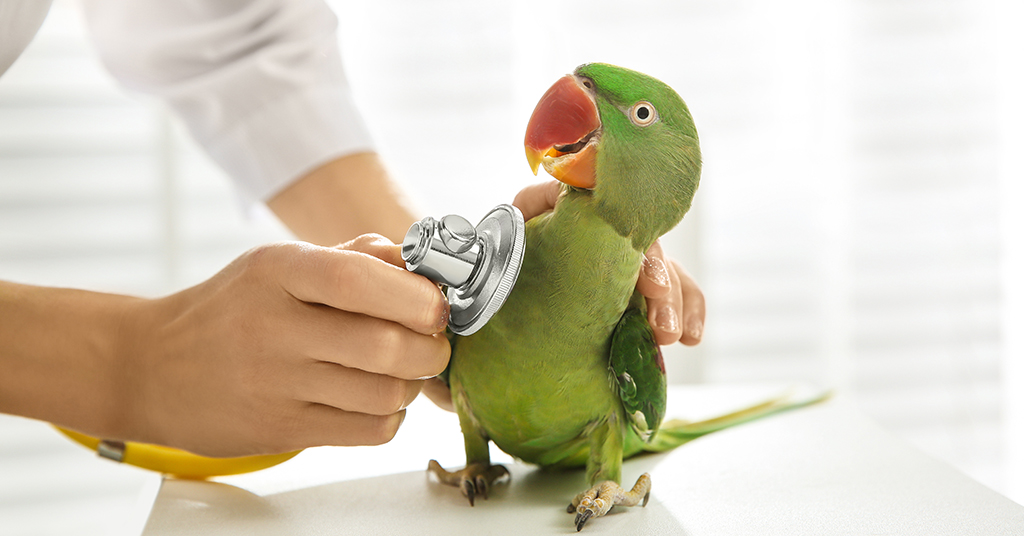
What Happens During a Bird’s Initial Exam?
The first visit with an avian vet establishes a health baseline that every future exam builds on.
Ideally, a new bird should see a veterinarian within a few days of joining your household, especially if other birds already live in your home. This early visit helps identify contagious conditions before they spread and gives you a chance to ask questions while you’re still setting up routines.
What the Exam Typically Includes
An initial appointment usually covers several areas:
- A detailed history of where the bird came from, its diet, and its daily environment
- An accurate weight measured in grams on a sensitive scale
- A hands-on physical exam of the eyes, nares, beak, mouth, feathers, skin, feet, and vent
- Listening to the heart and air sacs
- Recommendations for screening tests based on species, age, and origin
Why Weight Matters So Much
Small changes in weight can be one of the earliest signs of illness in birds. A cockatiel losing just a few grams represents a meaningful percentage of its body mass. Recording weight at every visit allows your avian vet to spot downward trends that owners would never notice by sight, since feathers easily mask a thinning body. Many veterinarians encourage owners to weigh their birds at home with a gram scale between visits as well.
How to Prepare for the Visit
Bring your bird in a secure travel carrier rather than loose or on your shoulder. If possible, bring a fresh sample of droppings or line the carrier with plain paper so the team can see them. A list of foods your bird eats, along with photos of its cage setup, helps the veterinarian give practical advice.
How Does an Avian Vet Diagnose Illness in Birds?
Because birds mask symptoms so effectively, diagnosing illness often relies on testing rather than outward signs alone.
By the time a bird sits fluffed up at the bottom of its cage, the underlying condition has often been developing for some time. That’s why an avian vet uses a combination of careful observation and diagnostic tools to understand what’s happening inside the body.
Subtle Warning Signs at Home
Owners play a vital role in early detection. Contact your veterinarian promptly if you notice:
- Fluffed feathers or sleeping more during the day
- Changes in the color, consistency, or volume of droppings
- Tail bobbing or open-mouth breathing
- Discharge from the eyes or nostrils
- Reduced vocalizing, eating, or interest in toys
Common Diagnostic Tools
Depending on your bird’s history and exam findings, an avian vet may recommend bloodwork to evaluate organ function and blood cell counts. Fecal testing and Gram stains help identify parasites or imbalances in normal bacteria. X-rays reveal problems with bones, organs, and eggs in female birds. Species-specific tests screen for infectious diseases such as psittacosis (chlamydiosis), avian polyomavirus, psittacine beak and feather disease, and avian bornavirus. Some of these conditions can spread between birds, and psittacosis can also affect people, which makes screening especially important for multi-bird homes. Finding these conditions early often gives your veterinarian more options and your bird a better outlook.
Basic Care Your Avian Vet Can Help You Get Right
Many health problems in pet birds trace back to everyday husbandry, which is why routine guidance from an avian vet is so valuable.
Birds have very different needs from dogs and cats, and care information found online or at pet stores is not always accurate or up to date. Regular conversations with your veterinary team help you adjust care as your bird ages.
Nutrition
Seed-only diets remain one of the most common causes of health problems in pet birds. Seeds are high in fat and low in essential nutrients like vitamin A and calcium, which can contribute to liver disease, respiratory infections, and poor feather quality over time. Most veterinarians recommend a diet based on a formulated pellet, supplemented with fresh vegetables and limited fruit. Your avian vet can suggest a plan suited to your bird’s species and help you transition gradually and safely.
Grooming and Housing
Nail trims, beak assessments, and discussions about wing trims are a regular part of bird wellness visits. Overgrown or misshapen beaks may signal an underlying health issue, so a professional evaluation is better than at-home filing. Cage size, perch variety, lighting, and air quality all affect health too. Birds have extremely sensitive respiratory systems, and fumes from overheated nonstick cookware, aerosol sprays, scented candles, and smoke can be dangerous. Your veterinarian can review your home setup and point out hidden risks.
Routine Screening as Birds Age
Annual bloodwork gives your avian vet a record of what’s normal for your individual bird. As birds reach middle and senior age, that history makes it easier to recognize early changes in kidney or liver values, cholesterol, and other markers. Larger parrots can develop conditions like atherosclerosis and arthritis later in life, so periodic screening helps guide care before symptoms appear.
Can an Avian Vet Help With Behavioral Issues?
Yes, and the first step is often ruling out a medical cause behind the behavior.
Birds are intelligent, social animals, and unwanted behaviors frequently stem from stress, boredom, hormonal changes, or physical discomfort. Treating a behavior problem without first checking for pain, infection, or nutritional deficiencies can mean missing the real issue.
Feather Destructive Behavior
Feather plucking, chewing, or barbering ranks among the most frustrating problems for bird owners. Possible contributors include skin infections, parasites, liver disease, allergies, poor diet, low humidity, and chronic stress. Because so many factors can play a role, an avian vet usually begins with a thorough exam and diagnostic testing before discussing environmental or behavioral changes.
Screaming, Biting, and Hormonal Behavior
Excessive screaming, sudden aggression, and nesting or egg-laying behaviors often have hormonal or environmental triggers. Seasonal light changes, certain types of petting, and access to dark, enclosed spaces can all stimulate hormones. Your veterinarian can help you identify triggers and recommend adjustments to enrichment, daily routines, and social interaction that support calmer, more confident behavior. Chronic egg laying in particular deserves veterinary attention because it can lead to serious health complications.
Enrichment and Social Needs
Many behavior problems ease when a bird has enough to do. Foraging toys that make birds work for their food, rotating toys every week or two, and safe chewing materials all give curious minds an outlet. Consistent daily interaction, training sessions built around positive reinforcement, and a predictable sleep schedule of roughly 10 to 12 hours of darkness also support emotional health. During a visit, the team at McKean Veterinary Hospital can talk through your bird’s routine and suggest enrichment ideas that match its species and personality.
Giving Your Bird a Longer, Healthier Life in McKean, PA
Many popular pet birds live for decades, and some larger parrots can outlive their owners. Regular wellness exams with an avian vet are among the best ways to protect that long lifespan, since early detection and practical guidance prevent many common problems. Most healthy adult birds benefit from at least one exam each year, while senior birds and those with ongoing conditions may need more frequent visits. Our team provides avian vet care at McKean Veterinary Hospital for parrots, cockatiels, budgies, finches, and other feathered companions throughout the McKean area. Whether you just welcomed a new bird or your longtime companion is overdue for a checkup, we’d love to meet them. Call (814) 476-7671 to schedule a wellness visit and give your bird the specialized attention it deserves.
Recent Posts
About Us
At McKean Veterinary Hospital in McKean, PA, we provide clear, practical veterinary care for routine visits, unexpected concerns, and every stage of your pet’s life. We take the time to listen, answer your questions, and help you understand your pet’s care options.