
Can Dogs Eat Watermelon? Seeds, Rinds, and What to Avoid
Yes, dogs can eat watermelon in moderation, as long as you remove the seeds and rind and serve only the plain, ripe flesh. Watermelon is low in calories, packed with water, and offers vitamins that make it a refreshing occasional treat for most healthy dogs. Still, the answer to “can dogs eat watermelon” comes with a few important conditions. The seeds and tough green rind can cause digestive upset or even an intestinal blockage, and many watermelon-flavored products contain ingredients that are unsafe for pets. Portion size matters too, since even healthy fruit can upset a dog’s stomach in large amounts. At McKean Veterinary Hospital in McKean, PA, pet owners often ask which human foods are safe to share, and watermelon tops the list during picnic season. Below, we explain the benefits, which parts to avoid, how much to offer, and creative ways to serve this juicy fruit safely.
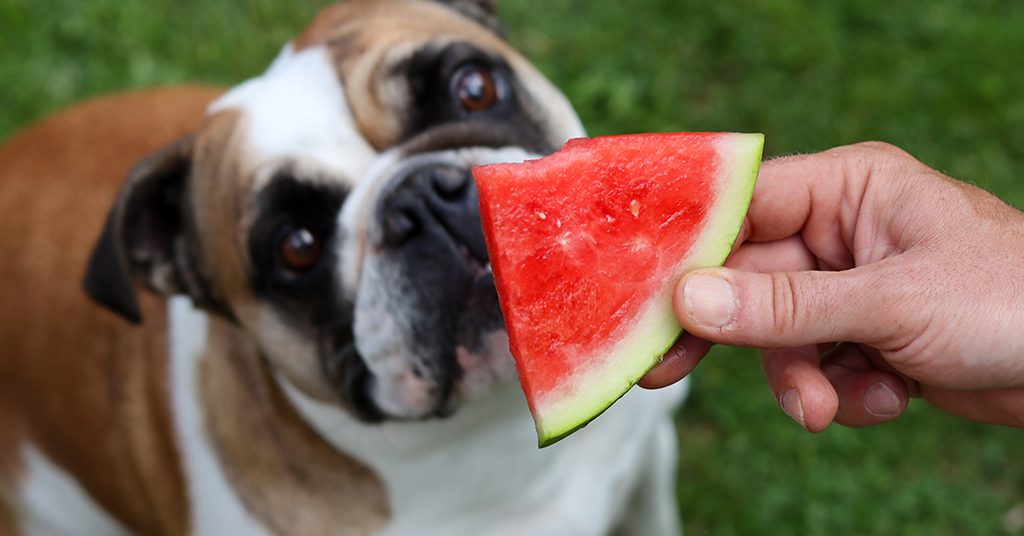
What Are the Benefits of Watermelon for Dogs?
Watermelon offers several nutritional perks that make it one of the healthier fruits to share with your dog.
Hydration is one big reason so many owners search “can dogs eat watermelon” when summer arrives. Because it’s roughly 92 percent water, watermelon provides a tasty way to add a little extra hydration on warm days or after outdoor play. It’s also naturally low in calories and fat, which makes it a better choice than many commercial treats for dogs watching their weight. When owners ask our team “can dogs eat watermelon as a training reward,” the answer is often yes, since small cubes are easy to portion and most dogs love the sweet flavor.
Nutrients Packed Into Each Bite
Watermelon flesh contains a variety of vitamins and plant compounds, including:
- Vitamin A, which supports vision and skin health
- Vitamin B6, which plays a role in brain function and protein metabolism
- Vitamin C, an antioxidant that supports the immune system
- Potassium, an important electrolyte for muscle and nerve function
- Lycopene, the antioxidant that gives watermelon its red color
- A small amount of fiber to support digestion
Keep the Benefits in Perspective
While these nutrients sound impressive, a dog eating a complete and balanced commercial diet already gets everything it needs from its regular food. Watermelon works best as a fun, healthy snack rather than a nutritional supplement. Think of it as a smarter alternative to high-calorie biscuits, not a replacement for any part of your dog’s daily meals.
Are Watermelon Seeds and Rinds Safe for Dogs?
No, the seeds and rind should always be removed before sharing watermelon with your dog.
The juicy pink flesh is the only part of the fruit that dogs should eat. The other parts carry risks that are easy to avoid with a few minutes of preparation. Any complete answer to “can dogs eat watermelon” has to include this important caveat.
Why Seeds Are a Problem
Mature black watermelon seeds aren’t toxic, but they can cause trouble when swallowed in quantity. A handful of seeds can accumulate in the digestive tract and contribute to an intestinal blockage, especially in small dogs. The soft, pale seeds found in seedless varieties are generally less of a concern, but picking out what you can still makes sense. Choosing seedless watermelon saves time and lowers risk.
Why Rinds Should Stay Out of Reach
Rinds are the part owners most often overlook when they ask “can dogs eat watermelon” at a cookout. The firm green rind is difficult for dogs to chew and digest. Eating it can lead to vomiting, diarrhea, or stomach pain, and large chunks may cause an obstruction. Many dogs will happily gnaw on a rind left on a picnic plate, so dispose of rinds in a secure trash can.
Watermelon Products to Avoid
A safe answer to “can dogs eat watermelon” applies only to fresh, plain fruit. Processed watermelon items are another story. Skip these entirely:
- Watermelon-flavored candy, gum, or jelly, which may contain xylitol, a sweetener that is highly toxic to dogs
- Watermelon juice drinks, sodas, and sports beverages loaded with sugar
- Fruit salads that may include grapes or raisins, which can cause kidney damage in dogs
- Spiked watermelon or anything containing alcohol
- Watermelon sprinkled with salt, chili powder, or seasonings
If your dog eats any of these products, contact your veterinarian or an emergency clinic right away.
How Much Watermelon Can Dogs Have?
Watermelon should make up only a small portion of your dog’s daily intake, and most veterinarians recommend keeping all treats to no more than 10 percent of daily calories.
Even though watermelon is low in calories, it contains natural sugar and lots of water. Too much at once can lead to loose stools, gas, or an upset stomach. Starting small helps you see how your dog’s digestive system handles a new food. The real question isn’t only “can dogs eat watermelon,” but how much fits into a balanced diet.
General Portion Guidelines by Size
Portion sizes vary based on your dog’s size, age, and activity level. As a general starting point, toy and small breeds typically do well with just a couple of small, bite-sized cubes. Medium dogs can usually enjoy a few more, and large breeds may have a modest handful. Offer watermelon a few times a week rather than every day so it stays a special treat.
When to Check With Your Veterinarian First
For some pets, the answer to “can dogs eat watermelon” changes. Dogs with diabetes, obesity, sensitive stomachs, or certain digestive conditions may need to skip sugary fruits or follow a stricter treat plan. Puppies and dogs on prescription diets also benefit from a quick conversation with their veterinarian before trying new foods. If you’re unsure, the team at McKean Veterinary Hospital can help you decide which treats fit your dog’s health needs. Call us at (814) 476-7671 with questions.
How to Serve Watermelon to Dogs
Serving watermelon safely starts with washing the outside of the fruit, cutting away the rind, and removing the seeds.
Once you’ve settled the “can dogs eat watermelon” question for your own pet, preparation comes next. Washing the rind before slicing keeps dirt and bacteria from transferring to the flesh. From there, cut the fruit into pieces sized appropriately for your dog’s mouth to reduce the risk of choking or gulping.
Fun Ways to Share Watermelon
Plain, fresh cubes are the simplest option, but there are plenty of ways to keep things interesting. Freeze small chunks for a cool summer snack that also takes a bit longer to eat. You can purée seedless watermelon and freeze it in an ice cube tray or a dog-safe silicone mold. Some owners blend watermelon with a spoonful of plain, unsweetened yogurt that contains no xylitol, then freeze the mixture into bite-sized treats. Stuffing frozen purée into a rubber chew toy adds enrichment and keeps dogs busy.
Can Puppies and Senior Dogs Eat Watermelon?
Age plays a role in how dogs handle new foods. Puppies have sensitive digestive systems and need most of their calories from a complete puppy diet that supports growth, so watermelon should be limited to a tiny taste, if any, after checking with your veterinarian. Senior dogs may enjoy soft, juicy watermelon if chewing harder treats has become difficult, but older pets are also more likely to have conditions like diabetes or kidney disease. Asking your veterinarian whether watermelon suits your dog’s health history during a checkup is the simplest way to get a clear answer.
Introduce It Slowly
When you first offer watermelon, give just one or two small pieces and watch your dog over the next day. Signs like vomiting, diarrhea, or itching suggest watermelon may not agree with your pet. Most dogs tolerate it well, but every dog is different. Once you know your dog handles it, can dogs eat watermelon regularly? In small, occasional servings, yes.
Talk With Our Team About Safe Treats for Your Dog
So, can dogs eat watermelon? For most healthy dogs, the answer is yes, as long as the seeds and rind are removed, portions stay small, and flavored products stay off the menu. This hydrating, low-calorie fruit can be a refreshing reward during warm weather and a smart swap for higher-calorie snacks. Every dog’s health needs are different, though, and factors like weight, age, and medical conditions all influence which treats make sense. The team at McKean Veterinary Hospital is happy to talk through your dog’s diet during a wellness visit and help you build a treat plan that supports long-term health. If your dog ever eats watermelon rind, a large number of seeds, or a product containing xylitol, contact us right away at (814) 476-7671 or seek emergency care.
Recent Posts
About Us
At McKean Veterinary Hospital in McKean, PA, we provide clear, practical veterinary care for routine visits, unexpected concerns, and every stage of your pet’s life. We take the time to listen, answer your questions, and help you understand your pet’s care options.