
8 Common Causes of Cat Sneezing and How to Treat Them
Cat sneezing is most often caused by an upper respiratory infection or a simple nasal irritant like dust, but it can also stem from allergies, dental disease, foreign objects, or growths inside the nose. An occasional sneeze is normal and usually nothing to worry about. Frequent or persistent sneezing, especially when paired with nasal discharge, watery eyes, or a change in appetite, points to something that deserves a closer look. Because so many conditions share the same symptom, figuring out the cause requires attention to the details that come with the sneeze. At McKean Veterinary Hospital in McKean, PA, we see sneezing cats of every age, from shelter kittens with respiratory infections to senior cats with dental problems. Below, we cover the eight most common causes of cat sneezing, how to tell when it’s serious, how veterinarians diagnose the underlying issue, and what treatment typically involves.
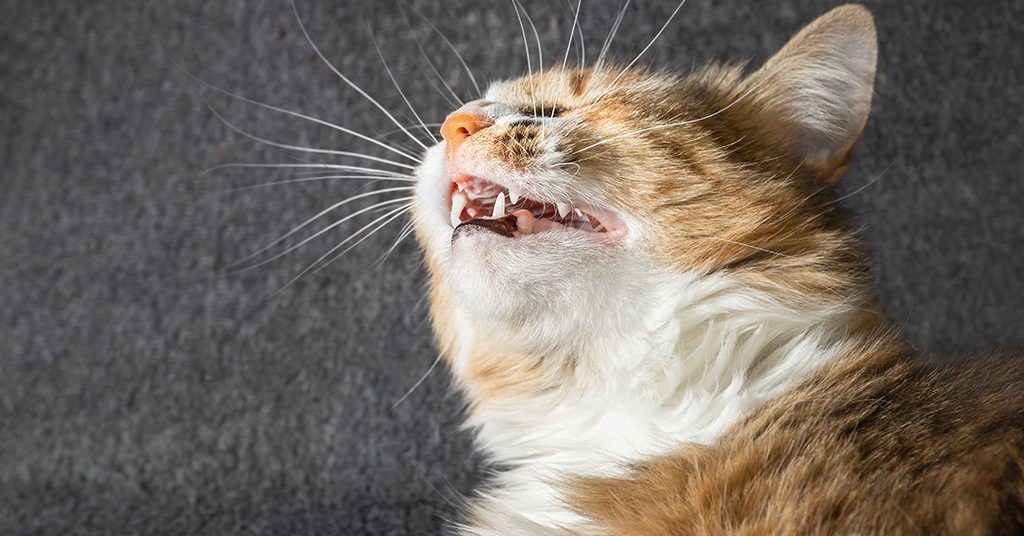
Why Do Cats Sneeze?
Cats sneeze for the same basic reason people do: to clear irritants, germs, or debris from the nasal passages.
A sneeze is a reflex triggered when something irritates the sensitive lining inside the nose. Sometimes that trigger is harmless and passes quickly. Other times, it signals inflammation or infection that needs veterinary care. Here are eight of the most common culprits.
1. Viral Upper Respiratory Infections
Feline herpesvirus and feline calicivirus cause the vast majority of upper respiratory infections in cats. These viruses spread easily in shelters and multi-cat homes. Cats infected with herpesvirus often carry it for life, and stress can cause flare-ups of cat sneezing years later.
2. Bacterial Infections
Bacteria such as Bordetella bronchiseptica, Chlamydia felis, and Mycoplasma can cause respiratory symptoms on their own. More often, bacteria invade after a viral infection has already damaged the nasal lining, leading to thick yellow or green discharge.
3. Environmental Irritants
Strong scents and airborne particles can tickle a cat’s nose. Common triggers include:
- Dusty or heavily scented cat litter
- Cigarette smoke and fireplace or wood stove smoke
- Perfume, air fresheners, and scented candles
- Cleaning sprays and aerosol products
- Pollen and mold drifting in through open windows
4. Allergies
Allergies more commonly cause itchy skin in cats, but some cats react to environmental allergens with sneezing and watery eyes. Seasonal patterns can offer a clue, especially if cat sneezing seems to spike in spring or fall.
5. Foreign Objects
Curious cats sometimes inhale grass blades, seeds, or bits of fiber. Sudden, violent sneezing, pawing at the face, or discharge from only one nostril can indicate something lodged in the nose. This type of cat sneezing tends to start abruptly rather than building over several days.
6. Dental Disease
The roots of a cat’s upper teeth sit very close to the nasal passages. An infected tooth root can break through into the sinuses and cause chronic cat sneezing and one-sided nasal discharge.
7. Nasal Polyps and Tumors
Nasopharyngeal polyps are benign growths most often seen in young cats, while nasal tumors are more common in older cats. Both can cause noisy breathing, sneezing, and discharge that sometimes contains blood.
8. Fungal Infections
Fungal organisms such as Cryptococcus can infect the nasal cavity, sometimes causing a firm swelling over the bridge of the nose along with sneezing and discharge.
Why Does My Cat Keep Sneezing? Is It Serious?
Cat sneezing that continues for more than a day or two usually means an ongoing issue rather than a passing irritation.
The seriousness depends on the cause and on what other symptoms come with it. A healthy adult cat with a mild cold may recover on its own, while a kitten or senior cat with the same infection can become seriously ill. Some causes, like dental disease or a growth in the nose, won’t resolve without veterinary treatment.
Clues That Help Point to a Cause
Pay attention to the type of discharge. Clear, watery discharge often comes with early viral infections or irritants, while thick, colored discharge suggests bacterial involvement. Discharge from only one nostril can point to a foreign object, tooth infection, or growth. Note whether your cat is eating, how much energy they have, and whether their eyes look red or squinty. Cats that recently received an intranasal vaccine may sneeze mildly for a few days, which is typically a normal response. Sharing these observations with your veterinarian helps narrow the possibilities quickly. Jotting down when the cat sneezing happens and how often can be surprisingly useful during the exam.
Cats at Higher Risk
Kittens, senior cats, unvaccinated cats, and cats with weakened immune systems from conditions like FIV or FeLV tend to have a harder time with respiratory illness. Flat-faced breeds such as Persians and Himalayans may also experience more severe or chronic symptoms because of their narrowed nasal passages.
When to See a Vet for Your Cat’s Sneezing
Schedule a veterinary visit any time cat sneezing lasts more than a couple of days or comes with other symptoms.
Cats rely heavily on their sense of smell to stay interested in food. A stuffy nose can quickly lead to a cat refusing to eat, and cats that go without food for even a few days risk serious liver problems. That makes timely care especially important. Call McKean Veterinary Hospital at (814) 476-7671 if your cat shows any of the following:
- Thick yellow, green, or bloody nasal discharge
- Loss of appetite or refusal to eat for more than 24 hours
- Lethargy, hiding, or fever
- Squinting, eye discharge, or ulcers on the tongue or mouth
- Labored breathing, open-mouth breathing, or wheezing
- Facial swelling or sneezing that keeps coming back
Any kitten or senior cat that starts sneezing deserves prompt attention, even if symptoms seem mild. Open-mouth breathing in a cat is always an emergency.
How Do Vets Determine the Cause of Cat Sneezing?
Diagnosing cat sneezing starts with a detailed history and a thorough physical exam.
Your veterinarian will ask how long the sneezing has lasted, whether other pets are affected, your cat’s vaccination status, and any recent changes at home. During the exam, the doctor checks the eyes, nose, mouth, teeth, lymph nodes, and lungs for clues.
Diagnostic Testing
Many cases with typical upper respiratory signs need no further testing at first. For persistent, recurring, or unusual cases, your veterinarian may recommend PCR testing to identify specific viruses or bacteria, bloodwork to check overall health and screen for FIV and FeLV, or a fungal test if Cryptococcus is suspected. Dental X-rays help reveal infected tooth roots hidden below the gumline.
Advanced Imaging and Procedures
For chronic sneezing that doesn’t respond to initial treatment, a closer look inside the nose may be needed. Skull X-rays, CT scans, and rhinoscopy (a small camera passed into the nasal passages under anesthesia) can identify polyps, tumors, or foreign objects. Your veterinarian may also collect a tissue sample or nasal flush to determine the exact cause. These steps are especially valuable for older cats with chronic cat sneezing, since growths become more likely with age.
How Do Vets Treat a Sneezing Cat?
Treatment for cat sneezing depends entirely on the underlying cause, which is why a veterinary diagnosis comes first.
Mild viral infections in otherwise healthy adult cats often need only supportive care and monitoring, guided by your veterinarian. Cats that stop eating or become dehydrated may need hospitalization for fluids and nutritional support. When a bacterial infection is present, your veterinarian may prescribe antibiotics. In some cats with herpesvirus, antiviral medications or eye treatments help shorten flare-ups. Fungal infections require prescription antifungal therapy, often for several months.
Treating Structural and Dental Causes
When dental disease drives the sneezing, treatment usually involves a professional dental cleaning and removing the affected tooth. Foreign objects can often be retrieved during rhinoscopy. Polyps are typically removed surgically, and nasal tumors may be managed with options such as radiation therapy, depending on the type and stage.
A Word of Caution on Home Remedies
Never give your cat human cold medicines, pain relievers, or decongestants. Many common products are toxic to cats, even in small amounts. Your veterinarian can recommend safe ways to support your cat’s comfort and may suggest changes at home, like switching to a low-dust litter, based on the diagnosis.
Help Your Sneezing Cat Breathe Easier in McKean, PA
Cat sneezing ranges from a harmless reaction to dust all the way to a sign of infection, dental disease, or a growth inside the nose. Watching for accompanying symptoms like discharge, appetite changes, or eye problems helps you decide how quickly your cat needs care. Since so many causes look alike from the outside, a veterinary exam is the most reliable way to find the source and choose the right treatment. Staying current on core vaccines, scheduling routine dental care, and reducing household irritants also lowers the chances of future flare-ups. The team at McKean Veterinary Hospital is here to help you get answers when your cat’s sneezing won’t stop. Call (814) 476-7671 to schedule an appointment so we can examine your cat and help them feel comfortable again.
Recent Posts
About Us
At McKean Veterinary Hospital in McKean, PA, we provide clear, practical veterinary care for routine visits, unexpected concerns, and every stage of your pet’s life. We take the time to listen, answer your questions, and help you understand your pet’s care options.